Gallery
This gallery presents a visual record of the archaeological monuments, excavation sites, and conservation projects undertaken by the ASI Jaipur Circle across Rajasthan. The images document the condition of protected structures, field research in progress, and preservation efforts at heritage sites under the Circle's jurisdiction.
For detailed information on individual monuments and museum collections, please visit the Monuments and Museums sections.
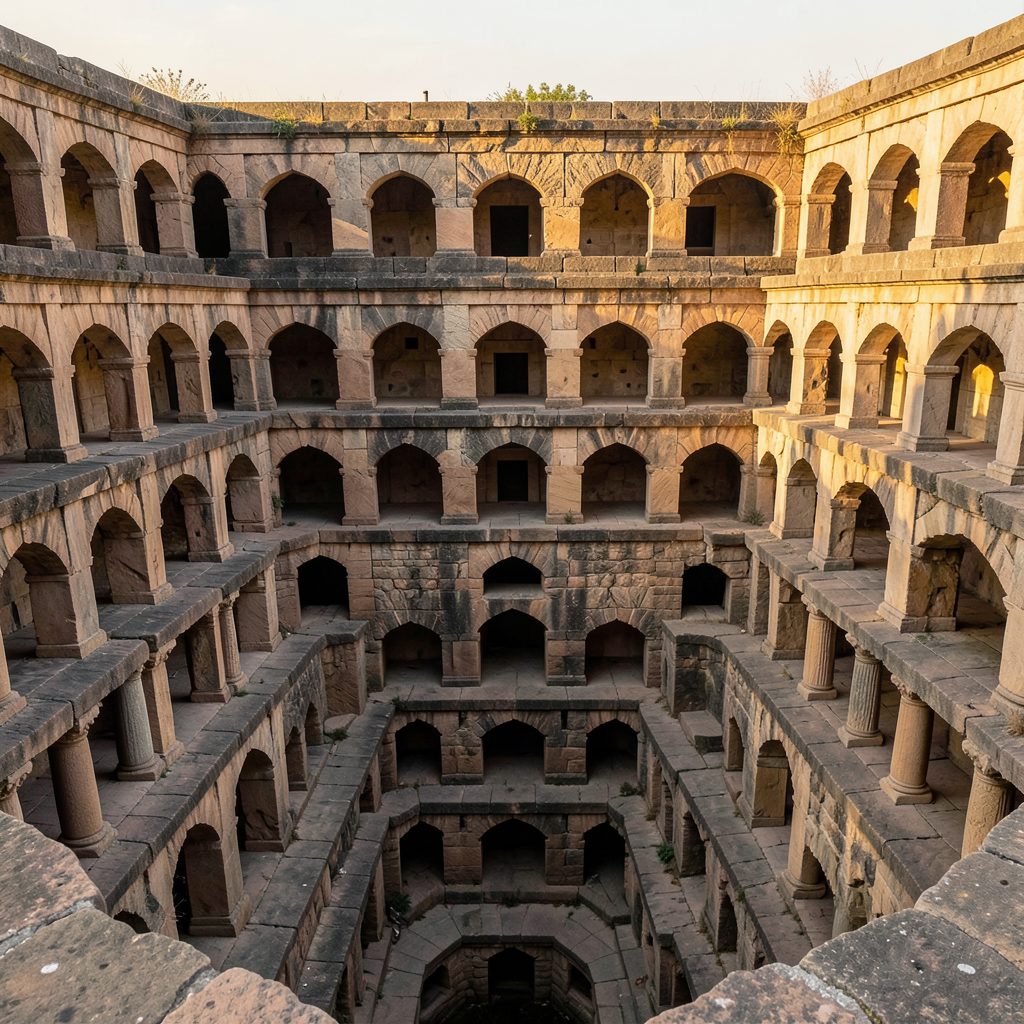
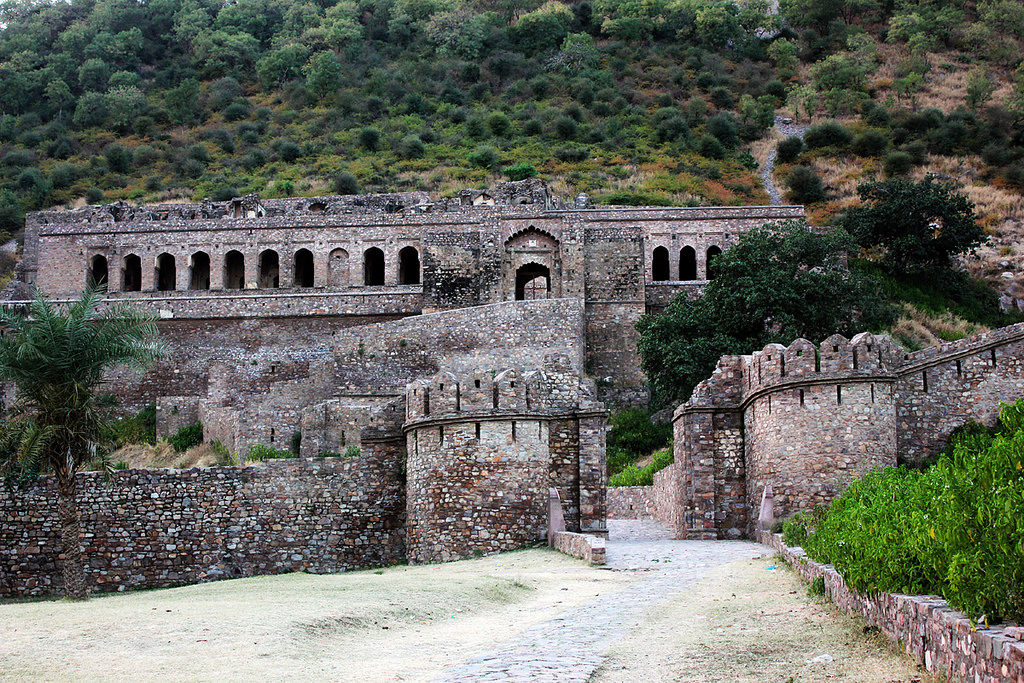
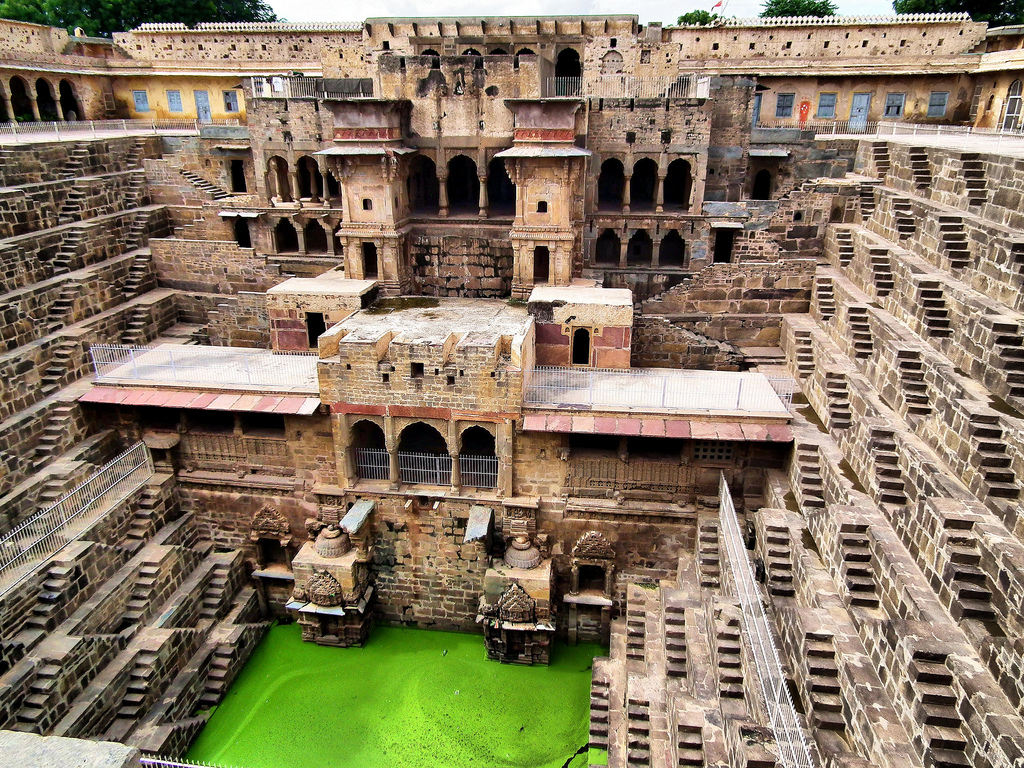



Additional photographs are periodically added to document ongoing and completed projects. For specific image requests or research inquiries, please contact the office.
The ASI Jaipur Circle's gallery serves as a visual archive documenting the ongoing stewardship of Rajasthan's rich archaeological heritage. Through photographs of protected monuments, excavation sites, and conservation field work, the collection offers visitors a window into the day-to-day efforts required to preserve structures that have stood for centuries. Each image captures not only the current condition of these historic sites but also the careful, methodical approach taken by conservation teams working across the region. The gallery complements the Circle's broader mission of safeguarding cultural assets for future generations while making them accessible to scholars, students, and the public alike.
Beyond simple documentation, the gallery functions as a practical record of preservation methodology in action. Images of stepwells, fortress ruins, and other protected structures illustrate the range of challenges inherent in heritage conservation, from environmental weathering to structural stabilization. The photographs also highlight the collaborative nature of this work, showing how field research, technical assessment, and hands-on restoration efforts come together in a coordinated manner. For those unable to visit sites in person, this visual collection provides an informative overview of the Circle's activities and the breadth of monuments under its care.
The gallery is intended to grow as new projects are undertaken and additional documentation becomes available. It serves as both an educational resource and an accountability tool, allowing stakeholders to observe how conservation priorities are translated into tangible on-site results. Visitors interested in deeper exploration of specific monuments or museum holdings are encouraged to consult the dedicated sections of the site for more detailed information. Through this ongoing visual record, the ASI Jaipur Circle continues to demonstrate its commitment to transparency, scholarly rigor, and the enduring protection of Rajasthan's irreplaceable architectural legacy.